What to Look for When Buying a Home Beyond Zillow
Buying a Home | Neighborhood Guides | Mid-Peninsula October 19, 2026
Buying a Home | Neighborhood Guides | Mid-Peninsula October 19, 2026
A listing can tell you a lot about a home. But it cannot tell you everything that matters once you arrive at the property.
Today’s buyers can research homes from almost anywhere. They can browse photos, compare prices, look at estimated values, review property details, explore maps, and get a sense of a neighborhood before ever scheduling a showing.
That information is useful. It helps buyers narrow their search and understand the market.
But buying a home is ultimately a physical experience.
Some of the details that influence how a buyer feels about a property cannot be fully captured in an online listing. They become apparent when you stand in the living room, walk through the backyard, look out the windows, drive down the street, and imagine what everyday life would actually feel like there.
On the Mid-peninsula, those details can be especially important because homes and neighborhoods can vary significantly even when they appear similar online.
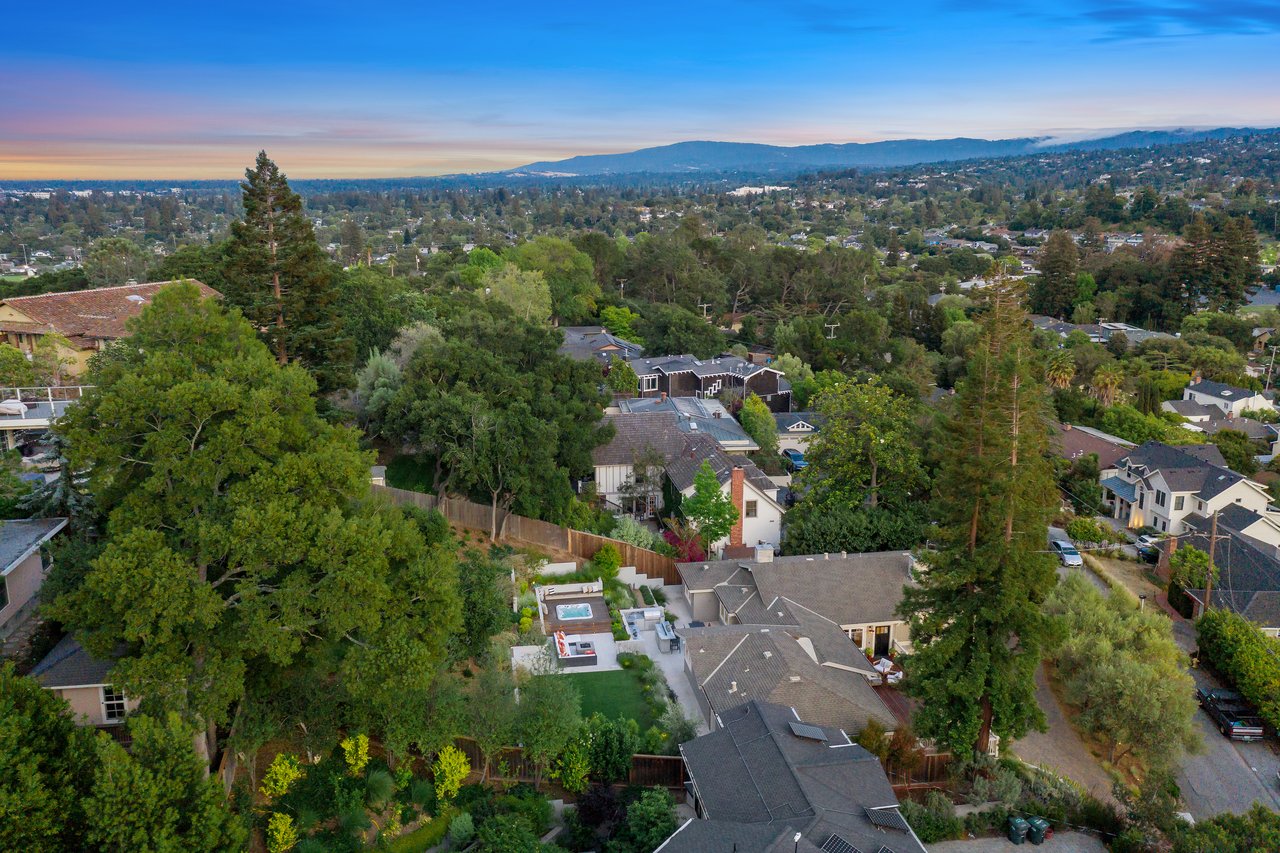
A map shows a home's location, but not what it feels like to be there.
Street activity, privacy, traffic, and the character of nearby properties all shape a buyer's first impression, details that are difficult to capture in a listing alone.
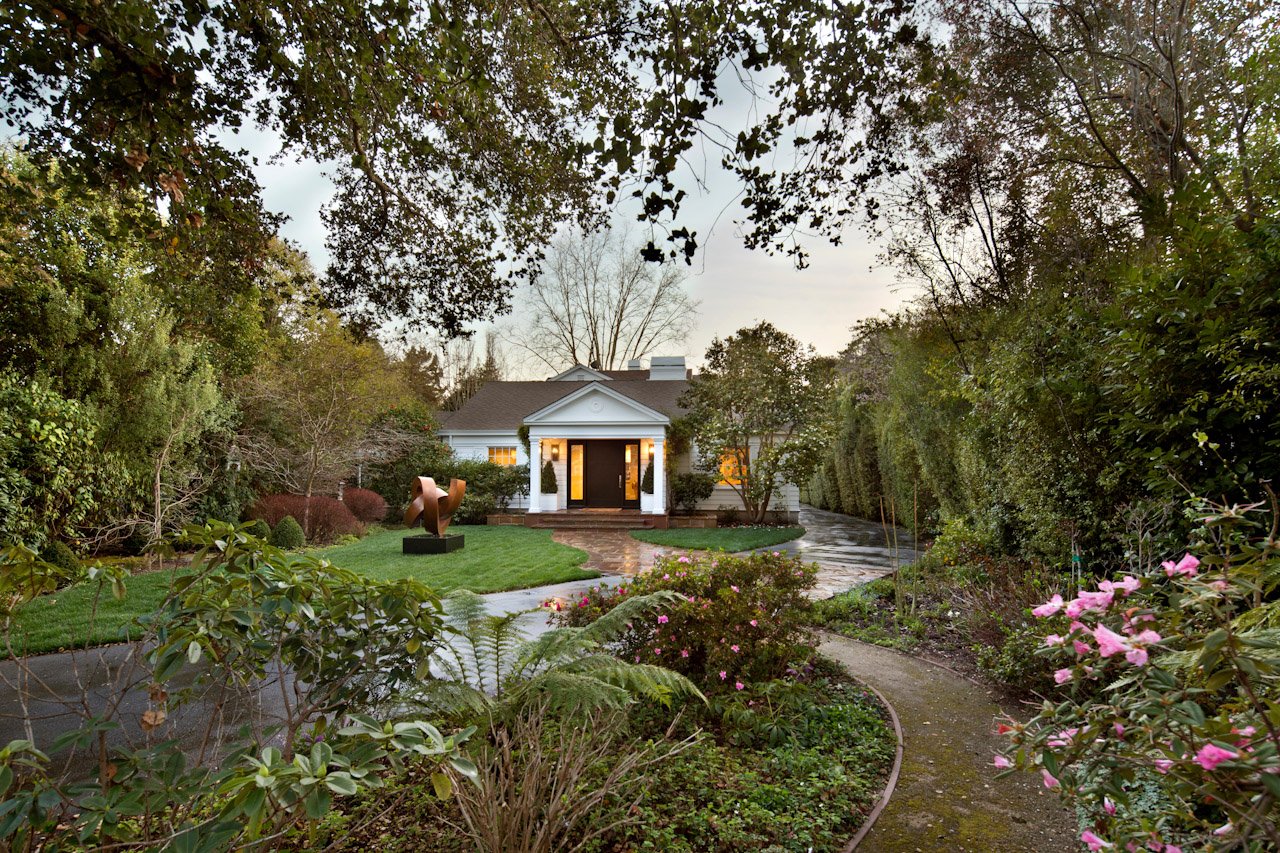
Lot size alone doesn't tell you how private a property feels. Landscaping, fencing, elevation, and neighboring homes all play a role.
Two similarly sized lots can offer very different experiences, especially for buyers who value a secluded backyard, outdoor living, and privacy.
Listing photography usually captures a home at a particular time of day.
A bright photograph can show how a room looks under those conditions, but it cannot fully communicate how the natural light changes from morning to afternoon.
These are things buyers can begin to understand when they visit a property at different times or pay close attention during a showing.
For many buyers, natural light is not simply a feature. It contributes to how comfortable and livable a home feels.
A floor plan shows room dimensions and placement, but not always how spaces flow together.
Rooms may feel larger or smaller in person, and layouts can change how buyers experience the home. Walking through the property helps them understand how each space connects and functions.
Photos can show a backyard, side yard, driveway, or patio.
Being there helps put everything into context.
For homes where the lot is an important part of the property's appeal, these details deserve more than a quick glance at listing photos.
Professional photography is designed to present a home clearly and attractively. But photographs cannot always communicate every detail of a property's condition.
Buyers may notice the age or feel of finishes, the quality of natural materials, how doors and windows operate, the condition of flooring, or details that become apparent only when walking through the home.
This does not mean a buyer should rely solely on an in-person impression. Inspections, disclosures, permits, and other forms of due diligence remain important parts of evaluating a property.
The point is simply that seeing a home firsthand adds another layer of information.
A home does not exist in isolation.
What surrounds the property can affect how it feels and how a buyer thinks about it.
The neighboring homes, landscaping, street configuration, views, noise, privacy, and proximity to nearby properties all form part of the experience.
A listing can provide information about the property itself, but understanding the broader setting often requires looking beyond the listing.
This is one reason local knowledge can be valuable when evaluating homes. Someone familiar with an area can help a buyer understand how one location compares with another beyond what appears in an online search.
Online maps can show streets, parks, schools, shopping, and other points of interest.
But there is another layer to understanding a neighborhood: how it actually feels.
Is it active in the morning? Are people walking their dogs in the evening? Is there more traffic during certain hours? Does the neighborhood feel connected or secluded?
These observations are subjective, but they can be meaningful.
A buyer may have a clear idea of what they want from a neighborhood until they spend time there and realize that the day-to-day environment matters just as much as the property's features.
Automated tools estimate value using market data and comparable properties, but they cannot capture what makes a home valuable to each buyer.
Privacy, natural light, layout, or the potential of a unique lot can influence a buyer's perception in ways numbers alone cannot.
Data provides context, but the buyer's experience completes the picture.
Understanding what buyers notice in person requires more than knowing what is currently listed online.
Local real estate expertise means understanding how properties differ from one neighborhood to another, what characteristics tend to matter to buyers, how homes compare with one another, and which details deserve a closer look.
On the Mid-peninsula, that perspective can be particularly useful because the market includes a wide range of communities, property types, lot configurations, and neighborhood characteristics.
A buyer's agent can help put the information from an online search into context.
Not by replacing the data, but by helping the buyer understand what the data does not tell them.
Online tools help buyers research homes, compare properties, and narrow their options efficiently. But the search doesn't end online.
Walk the property, explore the neighborhood, and consider how the home fits your lifestyle. Combine that experience with listing details, comparable sales, disclosures, inspections, and professional advice to make a more informed decision.
A listing can tell you the square footage, number of bedrooms, lot size, asking price, and many other important facts.
But it cannot fully capture the feeling of standing in the home.
It cannot tell you exactly how the morning light will feel in the kitchen, how private the backyard seems, how the street sounds at different times of day, or whether the layout simply makes sense for the way you live.
Those are details buyers discover by being there.
And sometimes, those details are what turn a property from an interesting listing into a home worth pursuing.
Whether you're beginning your search or narrowing down a short list of properties, understanding the difference between online information and the experience of a home can help you make more informed real estate decisions.
The Pacific Trust Real Estate team brings local knowledge and a deep understanding of Mid-peninsula communities to every client conversation.
Contact us to talk about what you're looking for and how we can help you evaluate the opportunities that fit.
Stay up to date on the latest real estate trends.

Real Estate 101 | Selling a Home | Midpeninsula

Real Estate 101 | Buying a Home | Midpeninsula
Market Update
Buying a Home | Neighborhood Guides | Mid-Peninsula

We know that real estate transactions can be complex, but with our expertise, they don’t have to be stressful. Our team is dedicated to handling every aspect of your Mid-Peninsula real estate needs with the utmost care and professionalism. From the initial consultation to the closing, we manage all the details so you can focus on your future. Whatever challenges arise, trust that we’ve got this — your success is our top priority.